You have a suit jacket with sleeves that are too long, or a dress that needs taking in for a wedding, and you are not sure who to call. The tailor vs seamstress question comes up at our counter more than you might think.
The short answer: traditionally, a tailor cuts, builds and alters structured garments such as suits, jackets and trousers, while a seamstress sews, repairs and alters, often lighter garments and dresses. In practice the two titles overlap heavily, and the skill someone has with your particular garment matters far more than what they call themselves.
This guide explains where the words come from, what each title usually means today, which one fits which garment, and how to find someone good wherever you live.
Contents
Key takeaways
- A tailor traditionally cuts and builds structured garments such as suits and jackets; the word comes from the Old French for “to cut”.
- A seamstress traditionally sews and alters, and a dressmaker makes dresses and other garments from scratch.
- The U.S. Department of Labor’s O*NET database groups tailors, dressmakers, seamstresses and alterations sewers into one occupation with the same core tasks.
- For the tailor vs seamstress decision, judge by the garment: structured suits and jackets need tailoring experience; hems, taking in and zippers are everyday alteration work.
- A good tailor or seamstress pins the garment on you, checks inside the seams before promising anything, and tells you when a change is not worth making.
Where the words come from
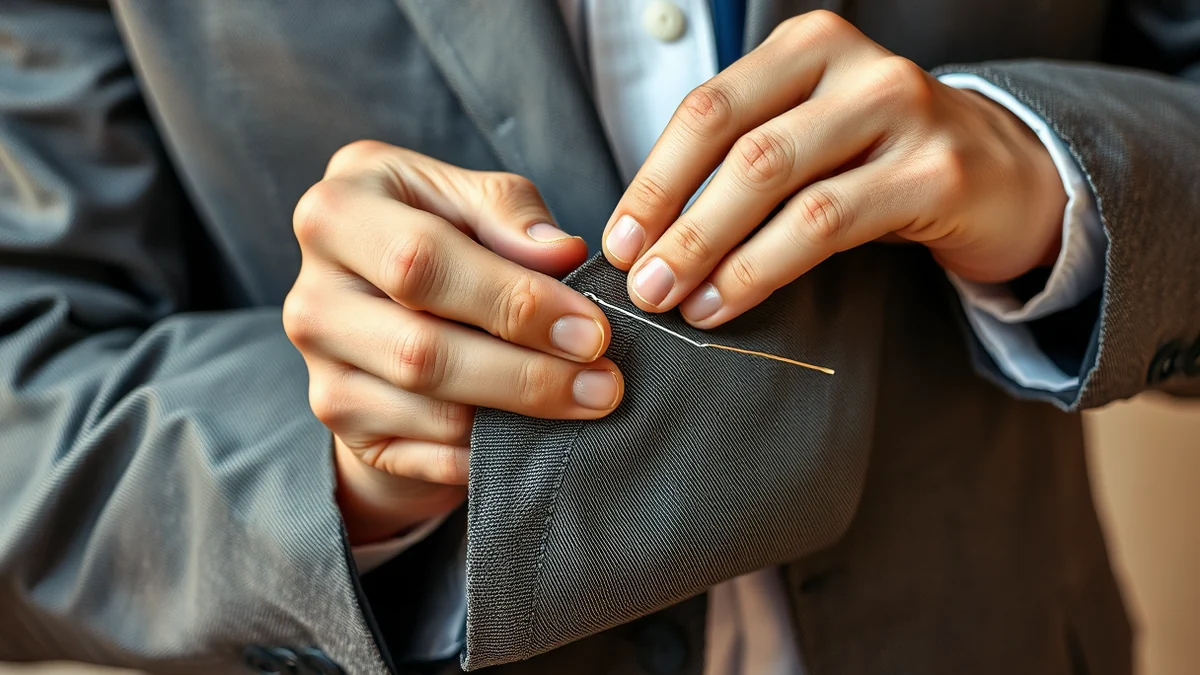
The difference starts with the words themselves. According to the Online Etymology Dictionary entry for tailor, the word dates to the late 13th century and literally meant “a cutter”, from the Old French tailler, “to cut”. A tailor was the person who cut cloth to shape and built a garment around the body.
Seamstress comes from the older word seamster, one whose work was sewing, with the feminine ending -ess added in the 1640s. The Online Etymology Dictionary notes that the Old English form was used for a sewer or tailor, and that in Middle English it applied to both men and women.
So historically the tailor vs seamstress split was about cutting and construction versus sewing, and for a long time the trades also split along gender lines. That split has faded, and plenty of people now use “tailor” for anyone who alters clothes.
Tailor vs seamstress: the practical difference today
Today the two titles describe overlapping skill sets rather than separate trades. The O*NET occupational profile for tailors, dressmakers and custom sewers, maintained for the U.S. Department of Labor, lists Tailor, Custom Tailor, Seamstress, Dressmaker, Alterations Sewer and Alterations Expert as job titles within one occupation, described as people who design, make, alter, repair or fit garments.
Where the difference still shows is in emphasis:
| Tailor | Seamstress | Dressmaker | |
|---|---|---|---|
| Traditional focus | Cutting and building structured garments | Sewing, mending and altering | Making dresses and women’s garments from scratch |
| Typical garments | Suits, sport coats, trousers, overcoats | Dresses, skirts, blouses, casual wear, household items | Dresses, gowns, bridesmaid and occasion wear |
| Typical jobs | Jacket and sleeve changes, trousers, made-to-measure | Hems, taking in, zippers, repairs | New garments from a pattern or design, plus fitting |
| Strength | Structure, canvas, shoulders, pressing wool | Everyday alterations across many garments | Construction and fit of dresses |
None of these lines are fixed. Many seamstresses are excellent with trousers, and many tailors spend most of their week on hems.
What can a tailor do?
The O*NET task list reads like a menu of alterations. It includes measuring customers and fitting and studying garments on them to decide what needs changing; letting out or taking in seams in suits and other garments; tapering pant legs and narrowing lapels; taking up or letting down hems, including sleeves; repairing or replacing pockets, zippers, snaps, buttons and linings; and pressing the finished garment.
Tailors with a construction background can also make made-to-measure clothing. For most people, though, a tailor is someone who makes a bought garment fit: trousers hemmed to the right break, a jacket taken in at the waist, a waistband that no longer gaps. Our guide on how a suit should fit, check by check explains what a tailor looks at on a jacket and trousers.
Seamstresses and dressmakers
A seamstress sews. That can mean alterations and repairs, making garments or household items, or production sewing. A dressmaker is more specific: someone who constructs dresses and other garments, usually from a pattern or their own design, and fits them to the client.
In other words, every dressmaker sews, but not every seamstress makes dresses from scratch. If you want a dress altered, either can do it. If you want a dress made, you want someone with dressmaking experience.
Bridal work sits across both. A wedding gown may need hemming through several layers, a bustle, taking in at the bodice and work on lace or beading. Our guide to wedding dress alterations covers timing and what to bring to your fittings.
Which one does your garment need?
Here is how we would think about the tailor vs seamstress choice, garment by garment.
| Garment and job | Skill that matters most | Notes |
|---|---|---|
| Suit jacket: sleeves, waist, length | Tailoring on structured jackets | Shoulders are rarely worth changing |
| Suit or dress trousers: hem, waist, seat | Either, with trouser experience | Bring the shoes you wear with them |
| Jeans: hem, taper, waist | Either, with a heavy-duty machine and denim experience | Ask about keeping the original hem |
| Dress or skirt: hem, taking in, straps | Either | Lined and bias-cut dresses need extra care |
| Wedding or formal gown | Bridal alteration experience | Several fittings; start early |
| Zippers, buttons, small repairs | Either | Usually quick, everyday work |
| New garment from scratch | Dressmaker or custom tailor | Not an alteration job |
For everyday trousers, our guide to what can be changed on a pair of pants goes into waist, seat, taper and hems in detail. For dresses, see our guide to dress alterations by fit problem.
How to find a good tailor or seamstress
Whether you settle the tailor vs seamstress question one way or the other, the person matters more than the title. Look for these signs at the first visit:
- They fit the garment on you. Pinning on a hanger or guessing from measurements alone leads to second visits.
- They ask about shoes, undergarments and the occasion. All three change where a hem falls and how a garment should sit.
- They look inside the garment before promising anything, because seam allowances and hem depth decide what is possible.
- They tell you what not to do. A good tailor will say when a change will not look right, or when a different size would serve you better.
- They give you a realistic date, and ask when you need it.
- They can show similar work, especially for bridal and structured jackets.
Reviews help, but a short conversation at the counter tells you more. Ask what they alter most often. Someone who hems trousers all week will probably do yours well.
What we handle at our Mesa counter
We are a dry cleaner first, with alterations and repairs alongside. Our alterations and repairs service covers hems, zippers, taking in, and wedding and formal wear. For anything else, such as tapering, letting out, jacket sleeves or rebuilding a garment, call and ask whether your garment can be done before you bring it in.
Because we also dry clean, you can bring a suit or dress in for both and we will talk through the right order for the work. Customers come to our store at 1911 E Brown Rd from across Mesa and the East Valley. In Arizona’s dry heat, a lot of people wear their heavier suits and formal clothes only in the cooler months, so fall is a good time to try them on and bring in anything that no longer fits.
The bottom line
The tailor vs seamstress difference is real in history and in emphasis: tailors come from cutting and building structured garments, seamstresses from sewing and mending, dressmakers from making dresses. For alterations, the titles overlap so much that the better question is whether the person has done your kind of job before and fits it on you.
If you have something that needs altering, call us on (480) 969-9982 or visit Monday to Friday 8 to 6 or Saturday 9 to 3 with the garment and the shoes you will wear with it. For cleaning or finished pieces, use the 24-hour drop-off box outside the store, or ask about East Valley pickup and delivery on Wednesdays and Fridays, scheduled by phone.
Bipin Kanabar — Owner, Bartoli Cleaners & Laundry, serving Mesa since 1957.
Frequently asked questions
Do I need a seamstress or a tailor?
You need whoever has experience with your specific garment. For structured suit jackets and sport coats, look for tailoring experience. For hems, taking in, zippers and most dress, skirt and trouser alterations, a seamstress or a tailor will both do the job well. Ask what they alter most often and whether they will fit the garment on you.
What is the difference between a seamstress and a dressmaker?
A seamstress sews, which can mean altering, repairing or making garments, while a dressmaker specifically constructs dresses and other garments, usually from a pattern or design, and fits them to the client. Every dressmaker sews, but not every seamstress makes garments from scratch. For alterations to an existing dress, either can usually help.
Does a tailor sew clothes?
Yes, a tailor sews clothes, both when altering them and, for some tailors, when making made-to-measure garments from scratch. The O*NET task list for tailors includes sewing garments by hand and machine, letting out and taking in seams, and repairing linings and zippers. Many tailors today spend most of their time altering garments people have bought.
Can a seamstress tailor jeans?
Yes, a seamstress can tailor jeans, including hemming, taking in the waist and tapering the legs. Denim is thick, so the job needs a sturdy machine, heavy thread and a heavy-duty needle, especially at flat-felled seams and the hem. Ask whether they can keep the original faded hem when shortening, and call ahead to check whether your pair can be tapered.
What can a tailor do?
A tailor can hem trousers, skirts and sleeves, take in or let out seams, taper legs, adjust waistbands, replace zippers, buttons and linings, and press the finished garment. Some also make clothing to measure. What a tailor cannot easily do is add fabric that is not there, or rebuild the shoulders of a jacket that is the wrong size.