Most people say they are “dropping off shirts at the dry cleaner”, but most cotton dress shirts are not dry cleaned at all. They are washed in water, then pressed on shirt equipment, and that difference matters for how your shirts look, feel and last.
This guide explains dry cleaning shirts versus laundering and pressing them, which shirts need which method, how to choose between light and heavy starch, and what we check when a bundle of work shirts lands on our counter in Mesa.
If you wear a dress shirt most days through an Arizona summer, the answer affects more than a crisp collar. Sweat, deodorant and body oil build up fast here, and the right method is the one that actually removes them.
Contents
- Dry cleaning vs laundering and pressing: what’s the difference?
- Which shirts need which method
- When dry cleaning shirts is the right call
- Light starch vs heavy starch
- What we check when shirts come in
- Can you dry clean a shirt at home?
- How to get more life out of your shirts
- The bottom line
- Frequently asked questions
Key takeaways
- Most cotton and cotton-blend dress shirts are laundered in water and pressed, not dry cleaned; water is what removes sweat and body oil best.
- Dry cleaning shirts is the right choice for silk, rayon, wool and shirts whose care label says “Dryclean” or “Dryclean only”.
- The FTC notes that a cleaner doesn’t have to follow the care label, but that using a method the label doesn’t list is risky.
- Heavier starch gives a stiffer, crisper finish; light or no starch is gentler on collars and cuffs you wear and wash often.
- Take out collar stays before dropping shirts off; Turnbull & Asser warns that stays left in shirts sent to a cleaner can get lost.
Dry cleaning vs laundering and pressing: what’s the difference?
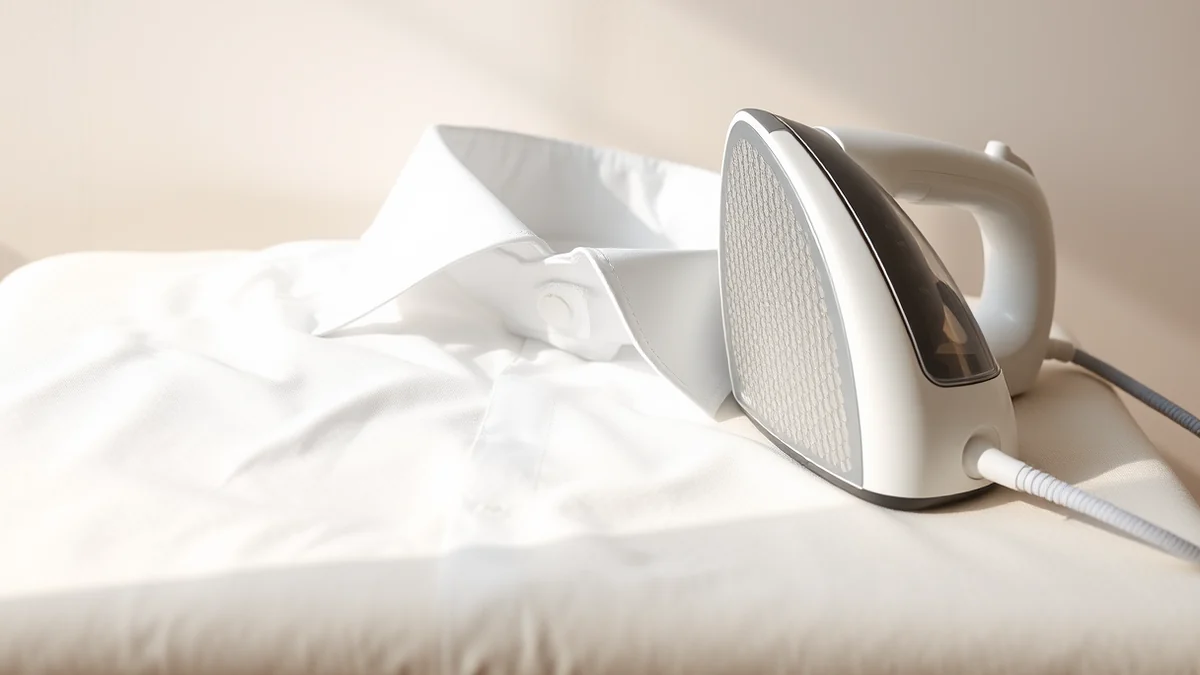
Dry cleaning uses a liquid solvent instead of water. It is gentle on fibres that shrink, lose shape or bleed dye in water, and it dissolves oily soils well. It is less effective on water-based soil such as sweat.
A shirt laundry service washes shirts in water with detergent, then presses them while damp on dedicated shirt equipment: collar, cuffs, sleeves and body. The result is the crisp, flat-pressed shirt most people picture when they think of the dry cleaner.
The FTC’s guide to the Care Labeling Rule notes that many local dry cleaners have facilities for properly washing and finishing washable garments. It also says a cleaner does not have to follow the care label, but that using a method the label does not list may be risky, and that clothing labeled as washable may not dry clean satisfactorily.
In our experience, that last point is the practical one. Your everyday cotton shirts are washable, and washing is what gets a collar clean.
Which shirts need which method
The care label is the starting point for deciding between laundering and dry cleaning shirts, but here is how we usually approach common fabrics:
| Shirt fabric | Usual method | Why | Watch out for |
|---|---|---|---|
| Cotton or cotton-poly dress shirt | Laundered and pressed | Washable; water removes sweat and oils | Heavy starch every time wears the collar fold sooner |
| Non-iron cotton | Laundered, light or no starch | The finish already resists creasing | High heat can leave a shiny press mark |
| Linen | Laundered or dry cleaned, per label | Crushes easily; some linen blends shrink | Sharp creases can wear through with time |
| Silk | Dry cleaned | Water-spots and loses its sheen | Deodorant and perfume marks |
| Rayon or viscose | Usually dry cleaned | Can shrink or distort in water | Labels that say “Dryclean only” mean it |
| Wool or flannel | Dry cleaned | Can shrink and felt in water | Moths if stored dirty |
| Tuxedo, pleated or embellished | Depends on trims | Pleats, studs and beads need care | Tell us about removable studs or cufflinks |
When dry cleaning shirts is the right call
Dry cleaning shirts makes sense when water would damage the fabric or trim. Silk, rayon, wool and many dressy blends fall into that group, as do shirts with fused fronts, embroidery that might bleed, or a care label that simply says “Dryclean” or “Dryclean only”.
Under the FTC rule, “Dryclean only” means the maker has evidence that washing will harm the garment. Take that seriously. A rayon shirt washed against a “Dryclean only” label can shrink noticeably in one go.
The reverse is true too. If your shirt says machine wash, laundering and pressing is normally the better choice, and you will get a cleaner collar. Our laundry and pressing service is built around exactly that kind of everyday shirt. If you are not sure which way a particular shirt should go, bring it in and we will read the label with you.
Light starch vs heavy starch
Starch is a finish applied to a shirt during pressing that makes the fabric stiffer and helps the press hold. The choice between light starch vs heavy starch is mostly about feel and how long you want the crisp look to last.
| Level | How it feels | Best for | Trade-off |
|---|---|---|---|
| None | Soft, natural drape | Non-iron shirts, casual shirts, sensitive skin | Creases sooner through the day |
| Light | Crisp but flexible | Most office shirts worn every week | A good all-round balance |
| Medium | Noticeably firm | Long days, meetings, a sharper collar | Collars feel stiffer on first wear |
| Heavy | Very stiff, almost board-like | Uniforms and occasions where the crisp look matters most | Stiff folds at collars and cuffs can wear faster |
A few practical points from the counter:
- Heavy starch in an Arizona summer can feel uncomfortable once you start to sweat, and it doesn’t change how quickly a collar gets dirty.
- Non-iron shirts usually look best with light or no starch.
- Dark shirts can sometimes show a faint white haze from heavier starch.
Call and ask about the starch options for your shirts when you set up a drop-off, and we will note your preference.
What we check when shirts come in
Whether we are laundering or dry cleaning shirts, a good cleaner doesn’t just count them. When your bundle comes across our counter in Mesa, here is what we look at:
1. Pockets. Pens, receipts and lip balm can ruin a whole load. 2. Collar stays. Turnbull & Asser’s shirt care guide says to remove collar stiffeners before washing and warns that stays left in a shirt sent to a dry cleaner may be lost. Please take them out. 3. Collar and underarm staining. Yellowing at the underarms and a grey ring at the collar are the most common marks we see on work shirts, especially through the summer. Our guide to getting sweat stains out of shirts explains why they form. 4. Missing or cracked buttons, so we can flag them before pressing. 5. Frayed collars and cuffs, which heavy pressing can make worse. 6. Spots you point out. Tell us about coffee, ink or food marks so they are treated before cleaning, not after.
What a good result looks like: clean collar and cuffs, no shine on dark fabric, a sharp but not crushed collar, sleeves pressed without a double crease, and buttons intact.
Can you dry clean a shirt at home?
Not truly. Real dry cleaning needs commercial solvent and equipment. Home “dry cleaning” kits are really steam-and-scent refreshers in a dryer bag; they can relax creases and freshen a shirt between cleanings, but they don’t clean the way solvent does. Our guide on what home dry cleaning kits really do goes into more detail.
For washable shirts, you can get close to a laundered-and-pressed finish at home:
- Undo every button, including cuffs and collar points, before washing.
- Wash on a gentle cycle and skip the tumble dryer; Turnbull & Asser recommends line drying because the drum wears collar and cuff points.
- Iron while the shirt is still slightly damp, in order: collar, cuffs, sleeves, yoke, then the body.
Our step-by-step guide on ironing a dress shirt in the right order covers the technique in full.
How to get more life out of your shirts
- Don’t wear a shirt twice between cleanings in summer heat; sweat and deodorant left in the fabric are what cause yellowing.
- Let deodorant dry fully before you put a shirt on.
- Rotate your shirts so no single one is always in the wash.
- Hang shirts on wide hangers rather than thin wire, which can pucker the shoulders.
- Pair them carefully. A clean shirt with a stained tie undoes the effort; see our guide on how to clean a tie for the other half of the outfit.
The bottom line
When it comes to dry cleaning shirts, the honest answer is that most cotton dress shirts should be laundered and pressed, while silk, rayon, wool and “Dryclean only” shirts should be dry cleaned. Choose a starch level that suits how you wear them, take out the collar stays, and point out any stains when you drop them off.
If you are in Mesa or the East Valley, bring your shirts to 1911 E Brown Rd, Unit 1, Monday to Friday 8 to 6 or Saturday 9 to 3, or leave them in the 24-hour drop-off box outside the store. Call (480) 969-9982 to schedule East Valley pickup and delivery on a Wednesday or Friday.
Bipin Kanabar — Owner, Bartoli Cleaners & Laundry, serving Mesa since 1957.
Frequently asked questions
Are you supposed to dry clean shirts?
Usually not, for cotton dress shirts. Most are washable and are best laundered in water and pressed, because water removes sweat and body oil more effectively than dry cleaning solvent. Shirts made of silk, rayon or wool, or labeled “Dryclean” or “Dryclean only”, should be dry cleaned. Check the care label, and when in doubt, ask your cleaner to read it with you.
How can I dry clean a shirt at home?
You can’t truly dry clean a shirt at home, because real dry cleaning needs commercial solvent and equipment. Home dry cleaning kits steam and freshen clothes in a dryer bag, which relaxes creases and reduces odour but doesn’t deep clean. For washable shirts, wash gently, line dry and iron while slightly damp for a near-professional finish.
Is it worth it to dry clean clothes?
It is worth it for garments that water would damage, such as silk, wool, rayon, suits and anything labeled “Dryclean only”, and for items where a professional press matters. For everyday washable clothes, home laundry is usually fine. Dress shirts sit in between: many people find a professional launder-and-press worth it for the time saved and the crisper finish.
What is the difference between light starch and heavy starch?
Light starch gives a shirt a crisp but flexible finish, while heavy starch makes it very stiff and holds the press longer. Light starch suits most office shirts worn every week and is gentler on collars and cuffs. Heavy starch looks sharp for uniforms and formal occasions but can feel uncomfortable in heat and may wear fold lines faster.
Should I take collar stays out before dropping off shirts?
Yes, always remove collar stays before dropping shirts off for cleaning. Stays left in can be lost during cleaning and can leave an impression on the collar when it is pressed. Turnbull & Asser’s shirt care guide specifically warns that collar stays left in shirts sent to a dry cleaner may be lost. Keep them in a small dish by the door.